
When to Repaint Your Home's Interior: 8 Signs Your Walls Need a Fresh Coat
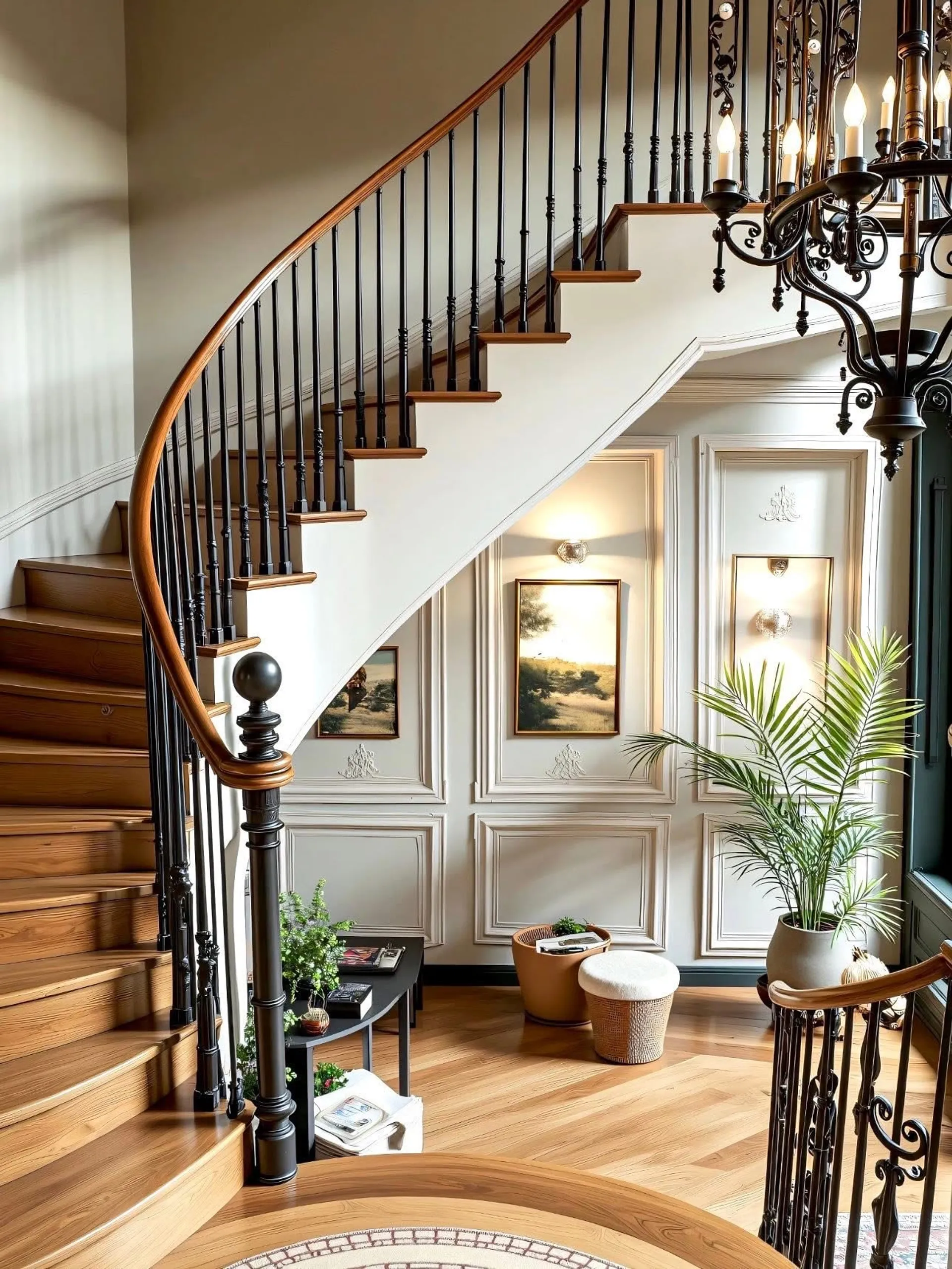
Interior paint transforms your living space more than almost any other home improvement project. But unlike exterior paint that faces harsh weather, interior paint deals with different challenges—from everyday wear and tear to lifestyle changes. Here are eight clear signs that indicate it’s time to refresh your home’s interior with a new paint job.
Visible Scuff Marks and Scratches
High-traffic areas like hallways, stairwells, and children’s rooms are prone to scuff marks from furniture, toys, and daily activities. While minor marks can sometimes be cleaned, persistent scuffs and scratches that won’t wash away are clear indicators that your walls need attention.
Kitchen and bathroom walls are particularly susceptible to damage from steam, grease, and frequent cleaning, which can wear down paint over time.
Fading and Color Changes
Interior paint fades more subtly than exterior paint, but it still happens. South-facing rooms with lots of natural light often show the most fading, while rooms with fluorescent lighting may develop a yellowish tint over time.
If you notice that your wall colors look different than when they were first painted, or if you can see distinct color variations where furniture or artwork used to hang, it’s time for a refresh.
Crayon Marks and Stains That Won’t Come Off
Families with young children know this struggle well. Crayon marks, food stains, and mysterious smudges can accumulate over time. While some stains can be cleaned with gentle detergents, others penetrate the paint and become permanent fixtures.
Even washable paints have their limits, and repeated scrubbing can damage the paint finish, leaving dull spots that stand out against the rest of the wall.
Peeling or Bubbling Paint
Interior paint can peel or bubble due to moisture issues, poor surface preparation during the previous paint job, or incompatible paint layers. This is especially common in bathrooms and kitchens where humidity levels fluctuate dramatically.
Bubbling paint often indicates moisture problems that should be addressed before repainting to prevent the issue from recurring.
Your Style Has Changed
Paint color preferences evolve over time, and what felt perfect five years ago might now feel outdated or no longer reflect your personality. Popular color trends shift every few years, and your home’s interior should feel current and comfortable to you.
If you find yourself wanting to change your decor but feel limited by your current wall colors, fresh paint can provide the foundation for a complete style refresh.
Preparing to Sell Your Home
Nothing updates a home’s appearance faster than fresh interior paint. Real estate professionals consistently recommend painting as one of the highest-return investments when preparing to sell.
Neutral colors appeal to the broadest range of potential buyers and help them envision their own belongings in the space. Fresh paint also signals to buyers that the home has been well-maintained.
Wall Texture Changes or Repairs
If you’ve had electrical work done, hung new fixtures, or filled nail holes from rearranging artwork, these repairs often require touch-up painting. However, touch-ups rarely match perfectly with aged paint, making the repairs more noticeable.
When you have multiple repair spots or significant texture changes from renovations, it’s often more cost-effective to repaint the entire room for a uniform appearance.
It’s Been 5-7 Years Since the Last Paint Job
Even if your interior paint still looks decent, most rooms benefit from fresh paint every 5-7 years in high-traffic areas, and every 7-10 years in low-traffic spaces like bedrooms and formal living rooms.
Bathrooms and kitchens may need more frequent painting due to moisture and cooking residue, while children’s rooms often need attention every 3-5 years due to increased wear and tear.
Choosing the Right Time for Interior Painting
Unlike exterior painting, interior work can be done year-round, but some seasons offer advantages:
Winter months are ideal for interior projects since you’ll be spending more time indoors anyway, and contractors often have more availability.
Spring is perfect for fresh starts and coordinating with other home improvement projects.
Fall allows you to refresh your space before the holiday season when you might be entertaining guests.
Color Selection Tips for Maximum Impact
When choosing new interior colors, consider these professional recommendations:
Light colors make small spaces feel larger and brighter, while darker colors can make large rooms feel more intimate and cozy.
Neutral bases with colorful accents offer flexibility for changing decor without repainting frequently.
Consistent color flow throughout connected spaces creates a cohesive feel, while distinct colors can define different areas and purposes.
Test colors in different lighting conditions before committing—colors can look dramatically different in natural versus artificial light.
Room-Specific Considerations
Different rooms have different needs when it comes to paint refresh timing:
Kitchens and Bathrooms: Every 3-5 years due to moisture and cooking residue Children’s Bedrooms: Every 3-5 years due to higher wear and changing preferences Living Areas: Every 5-7 years depending on traffic and use Adult Bedrooms: Every 7-10 years unless style changes are desired Basements and Utility Rooms: Every 7-10 years unless moisture issues arise
The Professional Advantage
While interior painting might seem like a manageable DIY project, professional painters bring valuable expertise:
Proper preparation ensures better adhesion and longer-lasting results Quality tools and techniques deliver smoother, more even coverage Color consultation helps you choose colors that work well together and with your lighting Efficiency means less disruption to your daily routine Clean-up is handled completely, leaving you with beautiful results and no mess
Signs You Need Professional Help
Consider hiring professionals if you’re dealing with:
- Multiple rooms that need coordinated colors
- High ceilings or difficult-to-reach areas
- Wallpaper removal before painting
- Extensive prep work like hole filling or surface repairs
- Specialty finishes or techniques
- Time constraints or physical limitations
Maximising Your Investment
To get the most from your interior painting project:
Choose quality paint appropriate for each room’s function and traffic level Don’t skip primer when changing colors dramatically or painting over stains Consider paint sheens carefully—flat for low-traffic areas, satin or semi-gloss for high-traffic zones Plan for proper ventilation during and after painting for faster drying and odor elimination
Fresh interior paint is one of the most cost-effective ways to transform your living space. Whether you’re addressing wear and tear, updating your style, or preparing for a major life change, the right paint job can make your house feel like a brand-new home. Don’t wait until your walls are crying out for attention—proactive painting keeps your home looking its best and protects your investment in comfortable, beautiful living spaces.