
What to Know About Interior Home Painting in Melbourne
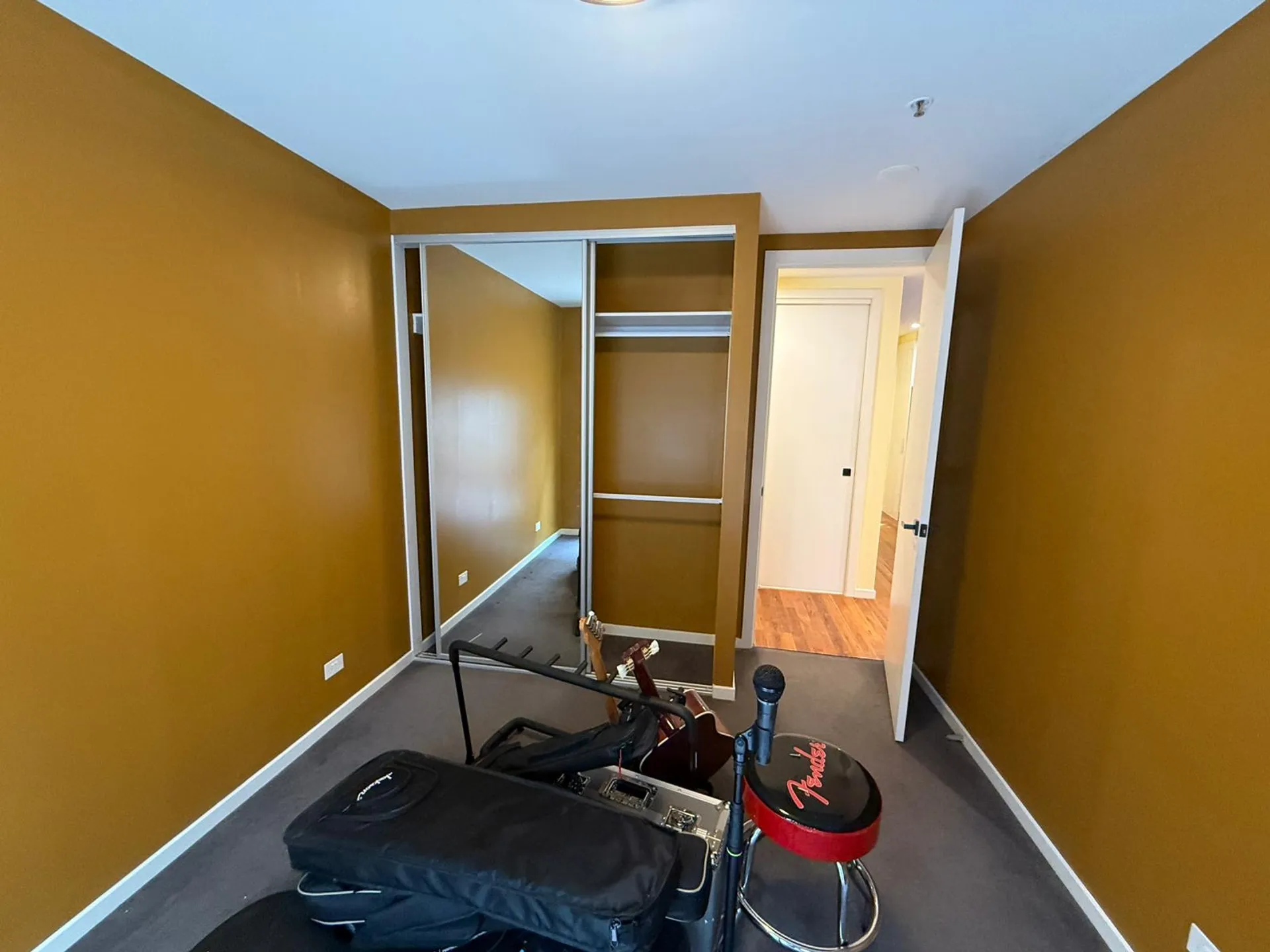
Ever walked into a Melbourne home thinking, “Ah, this place needs a splash of life!” That’s the magic of interior home painting – a fresh coat of paint can transform a dreary lounge into a cozy oasis or an old bedroom into a stylish haven.
In Melbourne’s vibrant, eclectic scene, interior home painting is the unsung style hero that brightens your walls and your mood. From trendy Fitzroy lofts to riverside condos, the right paint job adds instant personality.
Painting your Melbourne pad’s interior can feel like giving your walls a new outfit. Think of your living room clad in a warm mustard accent wall or a sleek grey hallway, and suddenly the room has swagger. A fresh paint job not only uplifts your space but also boosts value – after all, real estate stylists say a high-quality paint job “makes your home feel cleaner and brighter”. In fact, quality paint and prep can pay off for years, acting as a durable shield against scuffs and wear.
Why Interior Home Painting Matters
Refreshing your interior home painting is one of the quickest, most cost-effective renovations out there. Beyond good looks, a new coat of paint protects surfaces and boosts value. Australian homeowners see painting as a top “wow factor” reno – it can modernise a space without breaking the bank.
- Brighter, fresher rooms. A coat of bright white or a soft neutral makes smaller rooms seem bigger and cleaner.
- Personal style. Painted walls let you express you – from hip matte blacks to cheerful pastels, the colour sets the mood.
- Easy maintenance. High-quality paints repel stains and scuffs, keeping walls looking sharp.
- Higher property value. Real estate experts note that a professionally painted home can up the sale appeal.
In short, good interior painting in Melbourne is an investment in style and longevity. Even a modest budget can reap big visual rewards.
Colour and Style Trends for Interior Home Painting
When choosing colours, Melbourne’s design scene favors warm neutrals and earthy accents with pops of personality. Trending palettes combine cosy beiges and sandy tones (think Wattyl’s “Warm Sand” or Dulux’s “Mellow Beige”) with green, terracotta or moody reds in feature areas. Landscape-inspired hues – rich forest greens, sunbaked ochres, or clay-rust shades – are hot, reflecting Aussie nature indoors.
Want a bold splash? Accent walls are having a moment. A playful rainbow mural or deep navy feature wall can energise a room (Melbourne’s artsy neighborhoods would approve!). These vibrant accent walls fit well with 2025 trends aiming for “warmth, nostalgia, and modern vibrancy” in homes. Even a simple yellow kitchen backsplash or a deep blue bedroom wall can make the space pop.
Illustration: Imagine a feature wall painted in a dramatic burgundy or teal in your living area – it’s like adding instant excitement without changing furniture. Melbourne interiors often mix these accents with classic trims for that eclectic-chic vibe.
Eco-Friendly Interior Home Painting
Concerned about fumes? Modern paints let you stay stylish and eco-conscious. Low-VOC and water-based paints have become a smart choice for interior home painting because they release fewer fumes and are safer for everyday living. According to the Australian Government’s guidance on indoor air quality, reducing airborne pollutants inside the home plays a key role in creating healthier living spaces. These paints release far fewer noxious fumes as they dry, protecting indoor air quality – a must when you’re cooped up under Melbourne’s unpredictable weather.
According to experts, choosing low-VOC paint “significantly reduces environmental risks and potentially harmful side effects” of painting, from ozone damage to headache-inducing off-gassing. In fact, the mantra now is “the lower the VOC level, the better for the environment and human health”.
When shopping, look for Australian eco-labels or ask staff for “zero VOC” options. Many local brands (think Dulux, Taubmans, Haymes) offer premium paints that are quick-drying, low-odor and mould-resistant. And if you really want to brag about being green, use paint from a scheme like the Australian Standard APAS (that means it meets strict VOC limits and durability standards).
Pro tip: Good ventilation is key. While painting, crack windows or run fans (even in Melbourne’s cooler months) so fresh air circulates. Always clean up with eco-friendly products (sugar soap and water are your best friends) before painting to ensure a smooth finish.
When and How to Paint
Timing can make or break your interior home painting in Melbourne. The local climate favors painting in late spring or early autumn, when temperatures are mild (15–25°C) and humidity is not too high. Avoid mid-summer’s extreme heat (paint can dry too fast and crack) or winter chills (under 10°C can cause uneven drying). Haymes Paint advises that during high humidity, interior paint takes forever to dry and might even foster mold, so aim for seasons when indoor humidity is moderate.
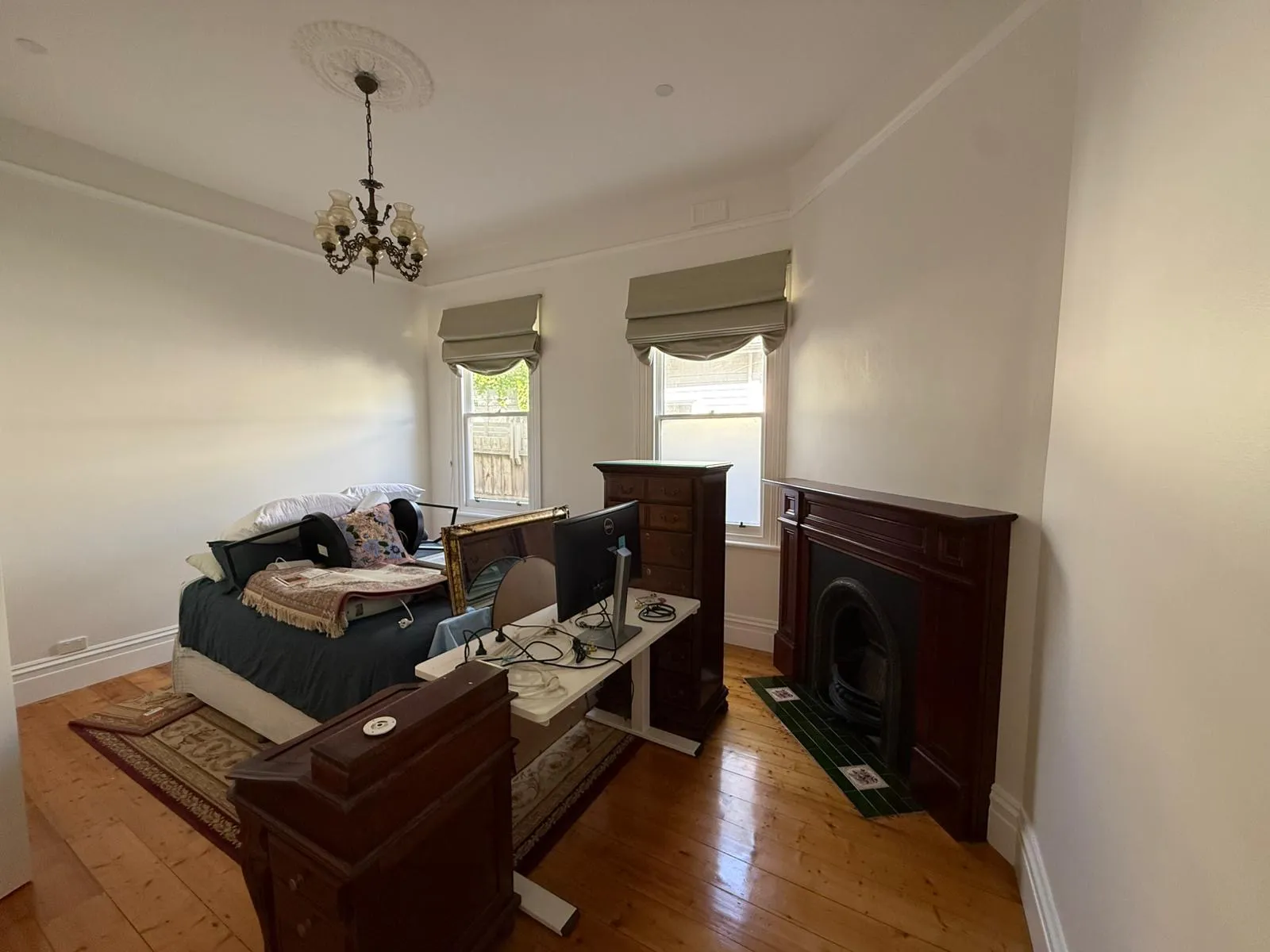
Picture yourself on a ladder with a roller – that’s you tackling step one. Preparation is crucial: good paint is 80% prep work, 20% brush stroke. Before you paint, do the basics: remove or cover furniture, wash down walls with a mild cleaner, and sand or fill any cracks or holes. As Haymes outlines in their 7-Step guide, here’s a quick checklist:
- Clear the room. Move furniture out or center it and cover with drop cloths. Remove pictures, light fixtures, outlet covers.
- Clean and repair. Wipe walls with sugar soap and water; sand rough spots. Use filler for nail holes or cracks, then sand smooth once dry.
- Protect edges. Apply painter’s tape to skirting boards, trims, door frames and switchplates to keep lines crisp.
- Prime the walls. Especially if changing from dark to light or painting fresh plaster. A primer base coat ensures true colour and durability.
- Paint carefully. Use brushes for edges (“cutting in”) and rollers (W-pattern, one full wall height at a time) for big areas. Two thin coats beat one heavy one – they dry better and resist drips.
By following these steps, your interior painting project will look pro-level, not DIY-drifty. Finish off by waiting a full day (or more!) between coats and even after final coat to really cure the paint. Your walls will thank you for the patience.
Budget and Hiring Pros
Whether you do-it-yourself or call in a pro depends on scope and skill. A small bedroom or feature wall is often DIY-able, saving labour costs. However, ceilings, tall walls, or intricate mouldings (common in Melbourne’s Victorian-era homes) might warrant a professional. Remember, an expert’s prep and technique will give you a flawless, lasting finish – and they carry the insurance if anything goes sideways.
| Project | Typical Cost (AUD) |
|---|---|
| Single room (walls only) | $400 – $1,200 |
| 1–2 bedroom unit | $2,500 – $5,000 |
| 3-bedroom home | $4,000 – $10,000 |
| 4–5 bedroom home | $8,000 – $15,000+ |
These figures (from nationwide Aussie data) are ballpark estimates for interior home painting, including labour and mid-range paint. On a per-square-metre basis, Melbourne homeowners can expect roughly $25–$45/m² for an interior paint job. Bear in mind costs climb with extra prep (fixing damaged walls), higher-end paints, or detailing (trim, doors and built-ins).
Pro vs. DIY: If you have the time and a steady hand, tackling your own painting project can save thousands. But if your schedule or skill is tight, hiring a licensed painter in Melbourne may be worth it for speed and quality. Professionals typically charge by area or day, and often use premium Aussie brands (Dulux, Haymes, Taubmans, etc.) that give the best finish. In any case, always get a few quotes and check references if you go pro.
Conclusion
Interior home painting in Melbourne is all about transforming your space with color, care, and creativity. By choosing on-trend colours (warm neutrals, earthy accent walls, cool blues) and eco-friendly paints, you make your home both stylish and healthy. Prep right, pick the proper season (think spring or autumn), and decide if you’ll DIY or hire a pro. When done well, a paint refresh can feel like a home makeover in a weekend.
Ready to give your walls a glow-up? Discover the best home painting services and take the stress out of interior home painting.
FAQs
How often should I repaint my interior walls?
Generally, every 5–7 years is a good rule for living areas, or sooner for high-traffic spots (like kids’ rooms). If walls look dull, stained or scratched, it’s time for a fresh coat. Regular cleaning and using high-quality paint can extend the interval to 10+ years.
What are some popular interior paint colours in Australia?
Lately, warm beiges, soft greys and dusty pastels are big on Australian walls, often paired with deep accent colours (forest green, clay terracotta, navy). 2025 trends emphasize earthy, warm neutrals and pops of rich blue or red for feature walls.
Are low-VOC paints worth the extra cost?
Yes – low-VOC paints emit far fewer fumes, improving indoor air quality. They protect both health (less eye/respiratory irritation) and the environment. They now perform on par with regular paints, so they’re a smart choice, especially in family homes.