
House Repainting in Melbourne: A Simple Guide for Homeowners
Have you ever stared at your home and thought it needs a glow-up? Picture your house with a fresh coat of paint—suddenly it looks cleaner and sharper, like it just stepped out of a style magazine. In Melbourne’s unpredictable weather, house repainting isn’t just about beauty; it’s like sunscreen for your home, protecting it from sun, rain and city grit. I know, I know—painting sounds dull, but stick with me.
For now, let’s break it down step by step. After all, house repainting also means adding value and curb appeal without breaking the bank. Think of it as giving your home a stylish makeover. We’ll walk through every step: choosing when to paint, budgeting, picking colours, and even whether to DIY or call in the pros. By the end, you’ll have the confidence to refresh your Melbourne home’s look – and maybe your mood while you’re at it.
Why House Repainting Matters in Melbourne
Melburnians love their homes, and for good reason. A fresh coat of paint through professional house repainting is one of the quickest, most cost-effective facelifts out there. It can boost the value of your home – a point worth remembering if you plan to sell – by making it look newer and well-cared-for. Neutral colours like warm greys, whites and beiges tend to please most buyers and keep things trendy.
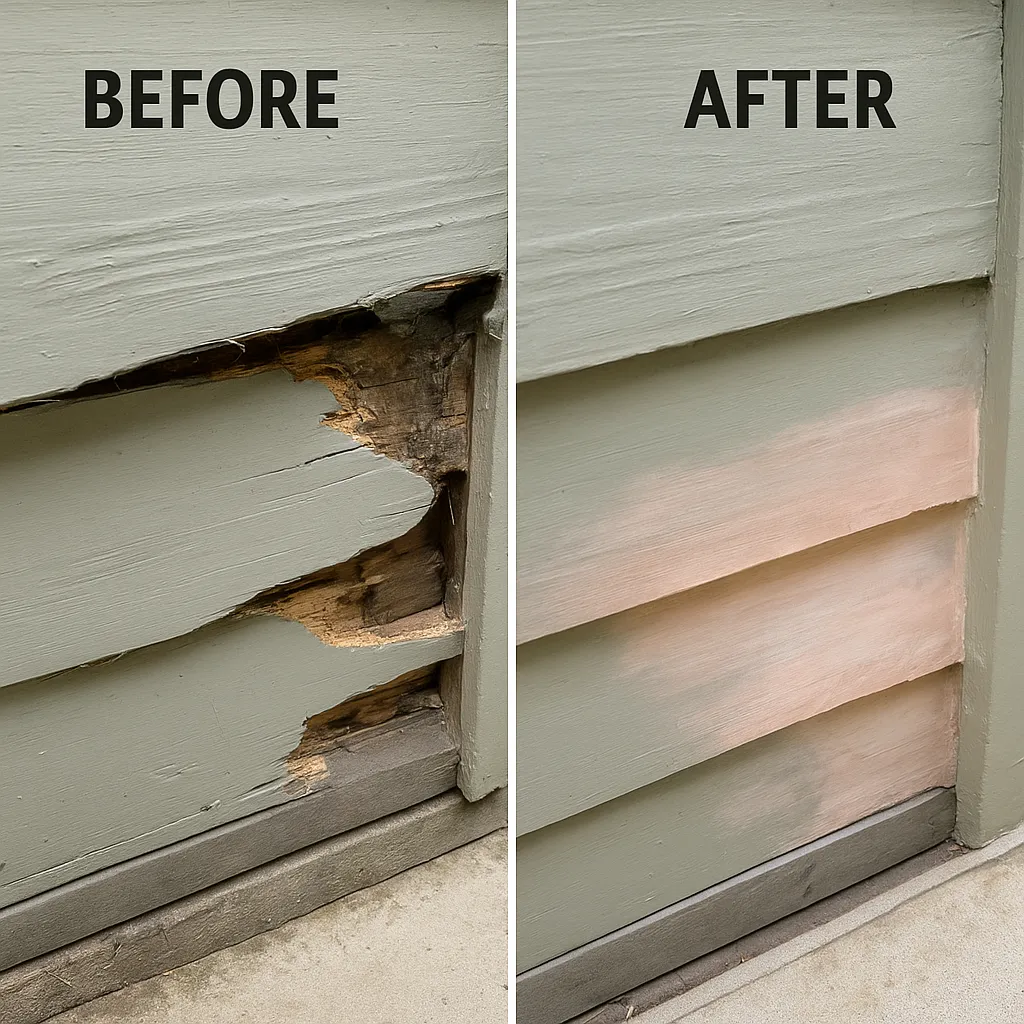
Weatherboard houses, brick veneers or even modern homes all face Melbourne’s famous “four seasons in a day” weather. Sun, wind and sudden rainstorms can crack or fade old paint. With timely house repainting, you’re effectively giving your home armour: high-quality acrylic or elastomeric paints stretch and flex with temperature changes, blocking moisture and UV to keep walls intact.
It’s a bit like applying sunscreen – you do it in spring before the harsh sun hits, not after getting burnt. This aligns with Sustainability Victoria’s recommendations on choosing durable and sustainable materials for home maintenance.
Plus, a fresh exterior achieved through expert house repainting is pure pride. You’ll enjoy that feeling when friends or neighbours walk by: “Wow, your house looks great!” Your home tells a first impression story. A crisp new colour scheme can highlight architectural features – say, a vibrant door or contrasting trim – that you never noticed before. Imagine turning heads in your street because your home looks downright polished and welcoming.
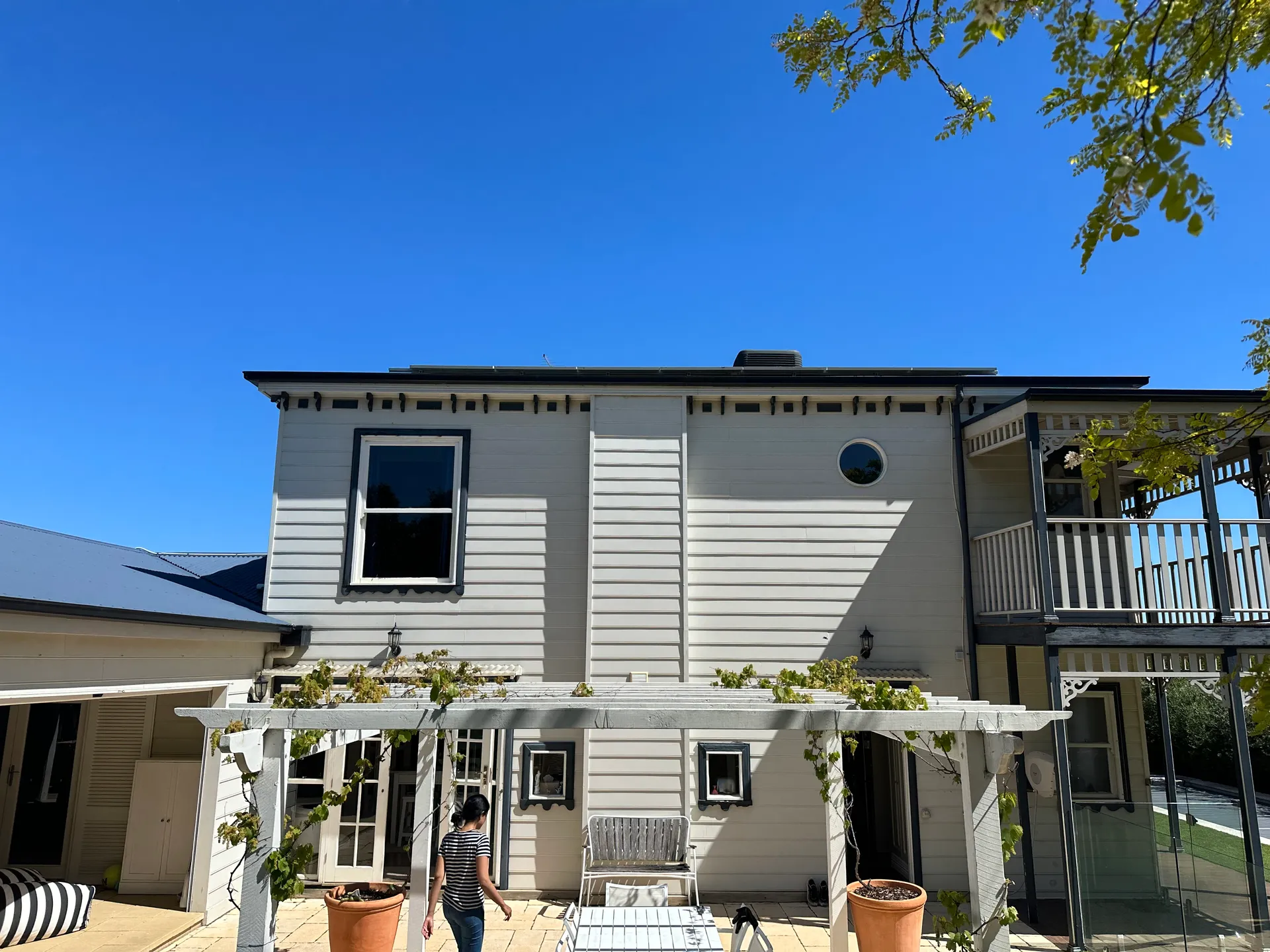
A freshly painted weatherboard home in Melbourne can dramatically boost curb appeal. Even a Victorian-style house gleams with a new coat of pale cream paint. This simple house repainting update can completely transform how your home catches the eye on its street.
Best Time to Repaint Your House in Melbourne
Timing is everything. Melbourne’s climate likes to keep us guessing, so the goal is to pick days when Mother Nature plays nice. Aim for spring or autumn – roughly September to November, or March to May. These months tend to have mild days: not too hot, not too cold, with low humidity. This means paint dries well and sticks better.
Avoid Melbourne’s wet winter months (June–August) for outdoor painting. Rain can wash away fresh paint or trap moisture, causing peeling or an uneven finish. And on really hot days, paint can dry too fast and crack. Always check the forecast: a stretch of dry weather with temperatures from 10°C to 25°C is ideal.
Even rainy days aren’t totally useless – they’re perfect for indoor jobs. Cool, damp air lets interior paint dry more slowly and evenly. So if a downpour is forecast, maybe tackle the hallway instead of the fence.
Prepping the job around Melbourne’s weather is key. Pro painters say the best window for exterior house repainting is spring or autumn – mild, low-humidity days when paint can cure slowly. Paint behaves best under the right conditions, so pick your days wisely.
Budgeting: How Much Will House Repainting Cost?
Money talk: How much will it take to give your home a new face? Costs vary depending on your house size, paint quality, and how much prep work is needed. In Melbourne, a typical full-house repaint (inside and out) runs around $4,000 to $10,000 for a standard home. This covers labour and materials. Larger homes or high-end finishes push the number up, and smaller jobs or DIY projects can save cash.
Here’s a rough breakdown:
- Interior walls: Expect about $15–$40 per m².
- Exterior walls: Usually $25–$60 per m² (these paints are pricier and need more coats).
| Painting Type | Cost (AUD per m²) |
|---|---|
| Interior Walls | $15 - $40 |
| Exterior Walls | $25 - $60 |
Keep in mind the above covers fresh paint and basic labour. Extra prep – like sanding, scraping or replacing rotten wood – is extra work (and cost). Also budget about 10–15% extra to catch surprises (old wood rot, extra coats). Always get a few quotes to compare. Remember: a super-cheap quote could mean cheap paint or skimping on prep, which means repaint sooner, not later.
Factors That Influence Cost
- Size and Scale: Bigger houses need more paint and time.
- Paint Quality: Low-VOC or weatherproof paints cost more up-front but last longer.
- Prep Work: Pressure washing, filling cracks, priming – these add cost but prevent problems later.
- Accessibility: High walls, tricky eaves or second-storey balconies mean ladders, scaffolding, and more hours.
- Labour: Professional painters charge for their skill and gear. It’s usually ~$50–$60/hour in Melbourne, but this can vary by experience.
In short: don’t cut corners on paint or prep. It might cost more now, but the payoff is a durable, beautiful finish that you won’t have to redo in a few years.
Preparing Your Home for Repainting
A little prep goes a long way. Pro painters and DIYers know: the slick, long-lasting paint jobs start with clean, smooth surfaces. Before lifting a roller, do these basics:
Clear the Area: Move furniture, planters and fragile items away. Take down pictures or wall hangings. Lay drop sheets or cover anything you can’t move.
Clean & Repair: Wash exterior walls of dirt, and hose down inside walls if dusty. Patch holes, fill cracks, sand rough spots. If wood is peeling or mouldy, scrape off loose bits.
Prime & Tape: Use a primer on bare spots (and new drywall). It seals the surface. Tape the edges of trim, windows and fixtures so you get clean lines.
Protect: Cover plants and lawns with tarps. Put away hoses and close gutters (rainwater is the enemy mid-paint!). Let pets and kids know it’s paint time so they stay clear.
An Aussie painter once told me, “A tidy room is like a clear map — work goes faster and looks better.” He’s spot on. Trust me: do a bit of legwork up front and you’ll avoid costly do-overs. As one Melbourne painter noted, poor prep causes most project delays. Plan everything, and your painters (or your DIY self) can focus on putting on that perfect coat.
Common Prep Mistakes to Avoid: Rushing in blind. Skipping primer or not cleaning walls can lead to peeling down the line. Do everything carefully now to relax later.
Choosing the right materials is part of prep. Melbourne pros often go for acrylic or elastomeric exterior paints (they breathe and flex), plus primer on bare wood or new walls. With good products and prep, the paint job not only looks great but will last much longer.
Picking Paint and Colours
Here’s where style kicks in. For 2025, Melbourne trends lean towards earthy neutrals and a few bold accents. Think warm beige, greige, sandy taupe or terracotta for main walls – they make spaces feel calm and fresh. Then add a zing: forest green, deep navy or charcoal on an accent wall, or a bright door. These dark feature colours really pop against neutral surrounds.
Want proof? Realestate.com.au’s 2025 colour trends guide highlights warm neutrals and earthy terracottas as hot picks. And Beyond Brush reports that Melbourne homeowners are loving emerald and sapphire blue accent walls to energise living areas.
Regardless of colour, pay attention to light. Natural daylight in Melbourne changes the look of paint by the hour. Always test a few samples on different walls to see how they shift from dawn to dusk.
Also, go green if you can. Low-VOC, eco-friendly paints have become common down under. They protect your family from nasty fumes and reduce toxins. Many brands meet Australia’s strict environmental labels (look for Green Seal certifications). Using eco paint is an easy win for health and style – plus you’ll dodge that headache from solvent smells.
Interior vs Exterior Finishes
Exterior: Use weatherproof acrylic or elastomeric paint. These handle UV and moisture without cracking. Dark colours absorb heat, so lighter shades may last longer outdoors.
Interior: For walls, mid-sheen (satin or eggshell) finishes are forgiving and wipeable. Kitchens and bathrooms often use semi-gloss for their moisture-resistant, scrubbable nature.
DIY vs Professional House Repainting
Are you a weekend warrior with a paintbrush, or is this time to hire a pro? It depends on your DIY confidence and the job’s scale.
DIY (Do It Yourself)
Pros: Saves labour cost. You control every brushstroke and can even sip a wine while painting. Small jobs (one room or accent wall) are fun weekend projects.
Cons: It’s a workout! Expect hard work: sanding, scraping, ladder-climbing. You might miss flaws without experience, and big exterior jobs can take weeks. Mistakes (drips, uneven coats) happen easily if you rush.
Hiring Pros
Pros: They breeze through prep and painting. Pros have gear (ladders, power washers, scaffolds) and skills for a flawless finish. They’ll handle safety and know quick fixes (like treating mould spots). In Melbourne’s weather, a pro can knock out large exterior jobs fast.
Cons: Higher upfront cost. But you gain warranty, speed and polish.
Melbourne painting expert tips say a smooth outcome often means calling in tradesmen. But if you have a small project and feel capable, go for DIY and bask in pride (and those cost savings).
Finding a Painter
If you hire, pick someone licensed and insured. Ask to see their previous Melbourne projects. Good questions: “What paint brands do you use for Melbourne’s weather?” and “Will prep and cleanup be included?” A thorough painter will answer these confidently and in writing. Remember, cheaper isn’t always better. A solid quote that includes everything (prep, priming, multiple coats) is worth paying for.
Even small projects can get serious. A painter applies a finish to kitchen cabinets using a sprayer. Indoors, choosing low-VOC paints and proper finishes reflects professionals’ care and knowledge. It’s a glimpse into how pros get the job done – efficiently, safely, and with the right products.
Maintenance: Keeping Your Paint Job Fresh
Congrats, you’re freshly painted! To keep that crisp look:
- Wash exterior walls every year or two (just hose off dust). Trim back vines or bushes touching walls.
- Touch up any chips or cracks immediately to stop bigger flaking.
- For interiors, wipe walls gently with a sponge when needed and tackle scuffs early.
Properly done, an exterior repaint in Melbourne lasts around 7–10 years. Interiors could go even longer between coats. If you notice peeling or fading earlier, that’s your cue to repaint. Remember: a little care goes a long way in extending the life of your house repainting.
Conclusion: Get Started on Your House Repainting Project in Melbourne Today
There you have it—your crash course in house repainting in Melbourne. From planning (best season) to style (top colours 2025), prep (clean those walls!) and execution (DIY or hire), you’ve got the tools to tackle the project. A fresh paint job doesn’t just make your home look great, it protects it and can even increase its value.
So what are you waiting for? Ready to get started? Your next house repainting adventure is just a brush-stroke away. Whether you roll up your sleeves or ring up a professional, here’s to a colourful, vibrant home that turns heads in the best way possible. Happy painting!
FAQs
How much does it cost to repaint a house in Melbourne?
About $4,000–$10,000 for a standard home (interior+exterior), depending on size, paint quality, and prep work.
When is the best time to repaint my house in Melbourne?
Aim for spring or autumn. These seasons are mild with low humidity – ideal for paint to dry properly.
Can I paint my house myself?
If you’re comfortable with ladders and have time, DIY saves labour costs. But professionals finish faster and more smoothly, especially for tricky exteriors.