
Exterior Residential Painters in Melbourne: What to Expect
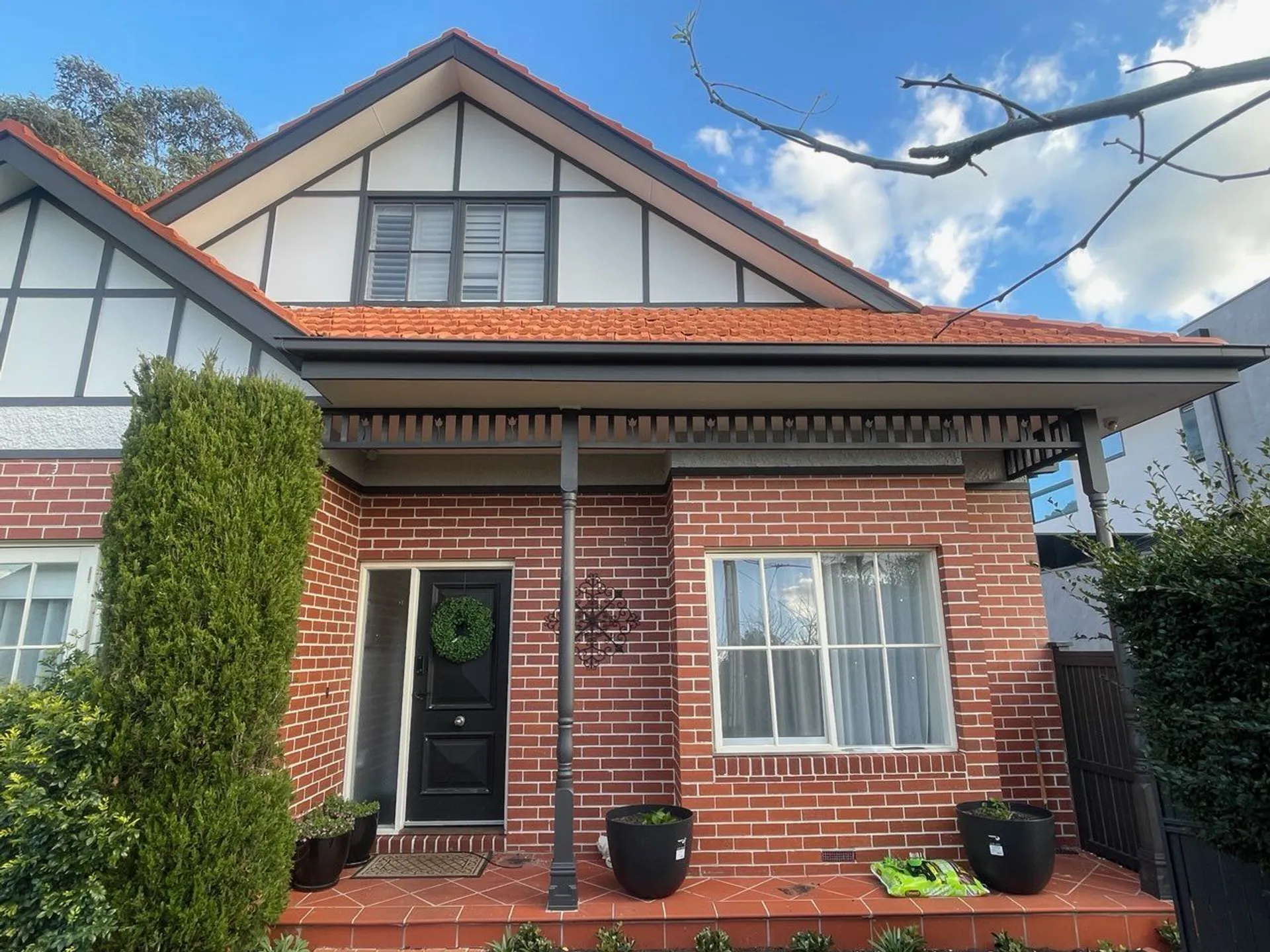
Imagine sipping your morning coffee while watching a painter take on the tallest wall of your home. That’s the reality when you hire skilled exterior residential painters in Melbourne. You might wonder: How do they work safely at height? How much will it cost? And how can you make sure your house still looks you at the end of the day?
By the end of this friendly guide, you’ll know exactly what to expect and how to spot a great painter from a mediocre one. Experienced exterior residential painters will catch issues you might miss and ensure every corner is coated and looking sharp.
Key takeaway: A well-chosen exterior paint job isn’t just a coat of pretty colour – it’s like preventative maintenance for your home’s “engine,” protecting weatherboards and brick from Melbourne’s wild four-seasons climate. Indeed, “a fresh coat of paint is one of the most cost-effective ways to increase your home’s value” – essentially giving your house a facelift that makes it stand out.
Why Hiring a Pro Painter Matters
Getting exterior residential painters means investing in your home’s long-term health. Quality painters don’t just slap on paint: they inspect for damage, fix rotten bits, and apply coatings that can stand up to our sun, rain and mould. In Melbourne, this is crucial. Our city’s “four seasons in a day” weather can crack or fade cheap paint fast.
A fresh coat from experts shields your home and instantly boosts curb appeal. It’s one of the most cost-effective ways to raise your property value – essentially a home facelift that catches the eye of buyers.
Peace of mind
Licensed painters follow Aussie safety and quality standards (like AS/NZS 2311:2017) and know to apply at least three coats on new surfaces, as recommended by the Master Painters Association. They handle scaffolding correctly and ensure everything is insured.
Local know-how
Experienced exterior residential painters know Melbourne’s quirks. They’ll use mould-resistant coatings in damp bayside suburbs and UV-blockers for sunny patios. This insider knowledge protects your walls better than random DIY advice.
Technical skill
These pros spot hidden issues (old lead paint, termites, concrete cancer) and fix them first. The Master Painters Association of Victoria stresses that experience is critical, and proper preparation is essential for a lasting finish.
Guaranteed job
Reputable companies often offer warranties or guarantees. If issues crop up, a professional will address them—whereas “cowboy” painters might disappear with your deposit. The National Painting Institute even warns that too-cheap rates (like A$25/hr) mean unqualified flyers; trained painters typically charge A$65–A$95/hr.
For your home’s sake, don’t skimp – hiring trained exterior residential painters up front saves headaches later.
Choosing Your Exterior Residential Painters
Now that you’re convinced, the next step is picking the right crew. Think of it like choosing a chef for a fancy dinner: you want skill, reliability and a clean workspace. Here’s how to pick the right exterior residential painters for your project:
Ask around
Sometimes the best leads come from neighbours or local community pages. Ask friends or post on Facebook “Who painted your house?” You may find someone who has used excellent exterior residential painters and got a great result.
Check credentials and reviews
A professional painter or company usually lists memberships (e.g., Master Painters Australia) and showcases past work. Search online reviews. A painter in the Master Painters Association will follow that industry’s code. If they’re part of NPDI (Painters Institute), even better – they abide by strict standards.
Interview and inspect
Treat meetings like mini job interviews. How long have they been in business? Can they show before/after photos or references? What exactly is included in the quote (prep work, primer, paint brand, clean-up, scaffolding, warranty)? Are they insured and do they follow a safety plan for heights?
Professional painters act, communicate and present themselves well – tidy uniforms, clear contracts, business cards. Master Painters says a good painter demonstrates previous work at a high standard and presents as a professional.
Compare quotes
Always get at least two or three detailed estimates. They should be itemized – not a “ballpark” over the phone. A genuine quote will list all the prep, materials and labor; NPDI warns that a quote without seeing the property likely misses important details. For example, your painter should note if rotten boards must be replaced or if primer is needed.
For extra peace of mind, Consumer Affairs Victoria recommends always getting written quotes, understanding deposit limits, and confirming what’s included before hiring exterior residential painters.
Beware of rock-bottom deals
If a quote is way lower than the others, ask why. It could be they’ll use cheap paint, skip prep or even hire unqualified labor. Remember, you want painters, not amateurs. As pros say: if it sounds too good to be true, it probably is. Licensed exterior residential painters will charge realistic rates (Painters Institute cites A$65–A$95/hr in Australia), reflecting proper wages and equipment.
Pro tip: In Melbourne, skilled painters will schedule exterior work in spring or autumn, when days are milder. If someone schedules a big exterior job in the rainy winter, think twice.
What Goes Into the Painting Quote?
Once you have a shortlist, it’s time to compare quotes. Understanding each line item helps you know where your money goes:
Surface area and material
More square metres = higher cost. Also, timber weatherboards need extra work. Industry guides note brick or rendered walls need only light priming, whereas weatherboards require “extensive scraping, sanding, and gap filling” plus special primer. As a rule of thumb, exterior painting usually runs about A$25–A$60/m² including labour and materials.
Number of coats
At least two topcoats are normal. Standards say three coats on new wood or metal is ideal. More coats and premium paint add to the price but make the finish last much longer.
Paint quality
Premium acrylic and elastomeric paints (like Dulux, Taubmans or Porter’s) cost more up-front but resist fading, mildew and chipping. Cheaper paint cuts initial cost but may flake within a few years. In fact, even magpies love perching on freshly-painted fences – a sign that quality paint brightens everything.
Preparation work
Painting isn’t just rolling colour on – it’s proper prep. Expect the quote to include washing walls (usually power-washing), scraping loose paint, filling holes or replacing rotten wood, and caulking cracks. Unforeseen issues (termite damage, hidden moisture) mean extra work. It’s wise to budget ~10–15% extra for surprises.
Height and access
Two-storey homes must have scaffolding or lifts by law. Hoisting that gear (and the painters) can add thousands to the quote. If your house sits on a steep block or split levels, costs climb further.
Extras and scope
Are gutters, trim, fences or gates included? Bundling these can save on setup time. Some companies even offer package deals if you paint fences, garage doors, etc., at the same time.
Labour rates
In Victoria, professional painters often charge by the hour (A$65–A$95/hr) or by the day (around A$560–A$760/day). Your quote should list estimated hours or days of work. Labour is typically the biggest portion of the cost.
Cost Comparison Table (Melbourne Homes)
| Home Type | Typical Cost Range | Why? |
|---|---|---|
| Single-storey brick/vinyl | ~A$5,000 – A$8,000 | Simpler prep, easy access |
| Single-storey weatherboard | ~A$7,000 – A$12,000 | Heavy prep (sanding & filling) |
| Double-storey (any siding) | ~A$10,000 – A$20,000+ | Scaffold required; more labour |
These are ballpark figures. Painters Institute notes a typical 3-bedroom home exterior might average A$5,500. Always get a detailed quote rather than relying on broad estimates from forums.
On the Day: What to Expect
Once the contract is signed and deposit paid, the real transformation begins. Most professional painting jobs follow a routine:
Setup and protection
Painters will shift plants/furniture and lay out drop cloths. They tape off windows, door handles and trims so only the right spots get paint. You’ll likely notice some solvent odors and noise from tools – nothing a quick walkthrough can clarify.
Cleaning and repairs
The crew usually starts by power-washing exterior walls to blast off dirt and mildew. Then comes scraping away flaking old paint. You might see them replace any split timber or cracked render, and fill holes with filler. This prep is messy but crucial.
Priming
On fresh timber or patched areas, they apply a primer or sealer coat. Think of this as a bonding layer. It stops stains from bleeding through and helps the topcoat stick better. (Skipping primer is like wearing running shoes without socks – it often leads to blisters.)
Painting coats
Next they roll or spray on the first coat of paint. You’ll hear rollers and see brushes carefully outlining edges. Some pros spray large areas (especially on brick), then “back-roll” with a brush to even it out. After the first coat dries (often overnight), a second coat goes on. For dramatic colour changes or new wood, a third coat may be needed for full coverage.
Detail work
While coats dry, painters tackle trim by hand – window sills, door frames, gutters and eaves – usually with a durable gloss or satin paint. They’ll also paint downpipes, fascias, and any architectural details carefully.
Clean-up and inspection
Once painting is finished, they remove tape, put hardware back, and tidy up. A good crew will inspect every angle (“critical light”) and fix any missed spots or runs. They should clean brushes and equipment – only your freshly painted home is left behind.
Throughout, painters usually keep you updated. They might check with you at the end of each day (“Do you want a different shade for the trim?”) or adjust plans if rain comes. By the end, a reputable company will walk you around to ensure you’re happy and answer any questions.
Choosing Colours and Materials
This is the fun (and sometimes stressful) part: picking your home’s new look. Melbourne’s mix of architecture means there’s room for creativity, but keep a few pointers in mind:
- Context is key: Neutral palettes (greys, beiges, classic white) are safe and increase curb appeal. Bold accent colours (a navy door or charcoal shutters) can add personality without overwhelming the whole façade.
- Climate-ready paint: Pick paints rated for UV and moisture. Dulux, Taubmans and Porter’s all have lines built for Aussie exteriors. Top-quality exterior paint includes UV inhibitors and anti-mould additives – exactly what Melbourne houses need.
- Heritage rules: If you’re in a heritage suburb (e.g. Fitzroy, Toorak), your council may restrict colour choices. Even if not, choosing something sympathetic to the era and streetscape is wise.
- Test patches: Always paint swatches on different walls. Colours can shift in Melbourne’s harsh sunlight vs. shady afternoon. Most paint stores sell small sample pots for this reason.
- Finish options: Flat or low-sheen paints look modern but may show marks more. Satin or low-gloss on trim makes it pop and holds up better to scrubbing. Ask your painters if you’re unsure.
- Get advice: If you’re stuck, professional painters usually have colour charts and experience with local trends. Many will show you colour palettes that work, or even bring up fans of swatches. Trust their eye – they live and breathe these colours.
Timing and Maintenance
Timing is everything. Melbourne’s weather swings mean painters will book jobs in spring (Sept–Nov) or autumn (Mar–May). Winter rains (May–Aug) can gum up paintwork, and peak summer heat can cause paint to dry too quickly or blister. Good painters monitor forecasts and pick the right days.
After painting, give the new exterior a few weeks to fully cure before power-washing or heavy gardening. A little rain is usually fine (most quality paint can repel light showers), but avoid hosing walls vigorously for a month.
Long-term, upkeep is easy. Once a year, do a gentle wash of your walls and check for any minor peeling. If you spot a nick or chip years down the line, a quick touch-up prevents bigger flakes. Essentially, a great paint job should last 10–15 years on timber (15+ on brick) if cared for.
Conclusion: Protect Your Investment
A top-notch exterior paint job is a gift that keeps giving. It freshens your home’s look and acts as armour against the elements. By understanding each step – from vetting exterior home painting contractors to choosing quality paint – you ensure the job is done right. Ready for your home’s makeover? Get a few quotes, plan for good weather, and maybe have a celebratory barbecue when it’s done!
For expert guidance, check out resources like the Master Painters Association of Victoria (MPAV) – they offer tips and even a “find a painter” service to connect you with trained exterior residential painters. Remember, not all painters are created equal: opt for exterior residential painters who display professionalism and local expertise. Your home deserves nothing less than a great coat – and the right painters will make it shine for years to come.
FAQ
How long does an exterior paint job take?
It depends on size and condition. A single-storey home might take 7–10 days (including prep and drying time), while a two-storey can take 2+ weeks with scaffolding.
How often should I repaint?
High-quality exterior paint typically lasts 10–15 years on timber, and even longer on brick. Check annually for peeling or fading and touch up as needed.
Can I stay at home during painting?
Yes, since most work is outside. You’ll hear some noise and smell paint. Keep windows closed for ventilation until the new paint dries.