
Top-Quality Exterior Home Painting Services in Melbourne
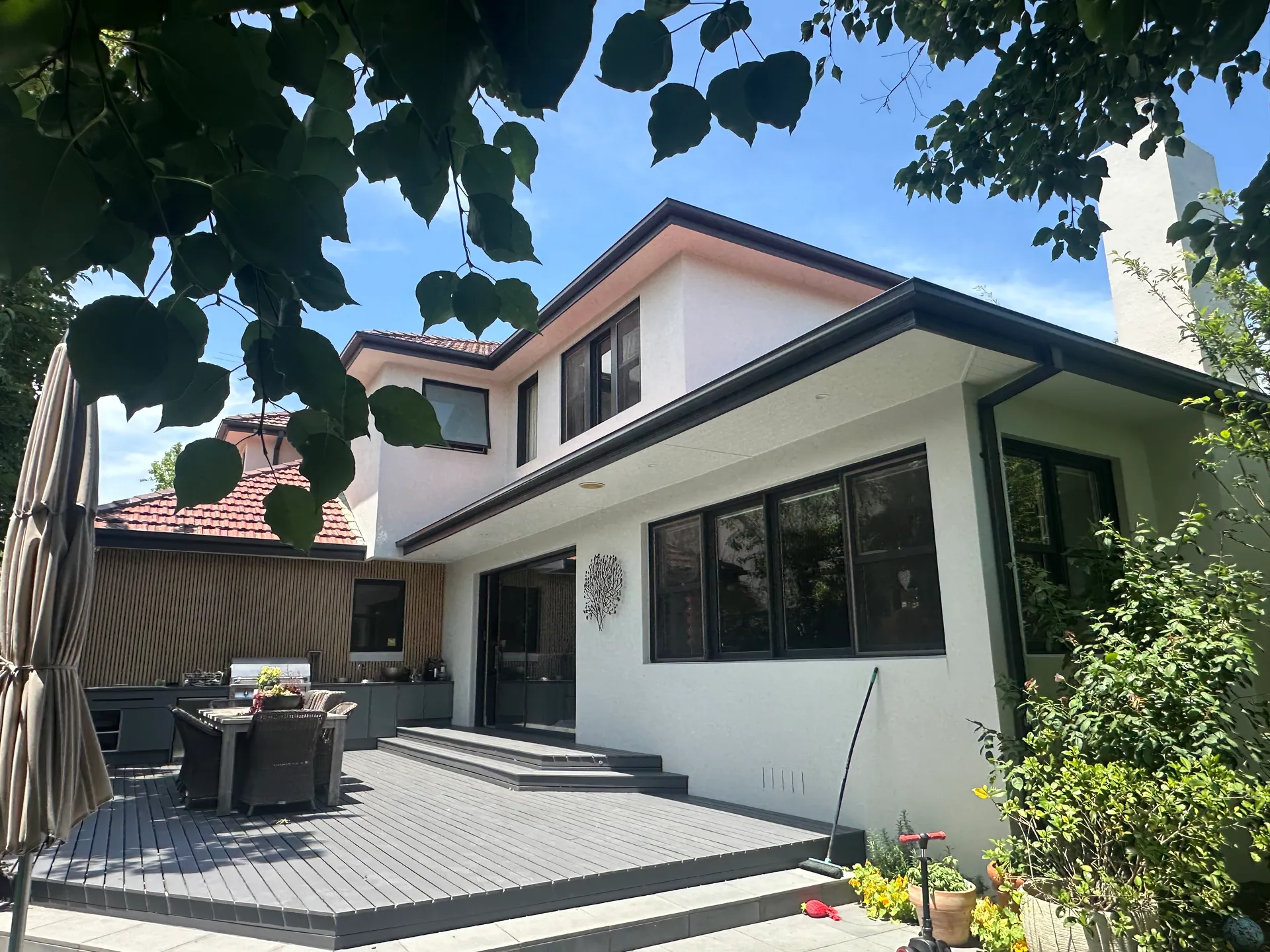
Imagine pulling into your driveway after a long day, sipping a cuppa, and noticing those faded, peeling walls on your Melbourne home. Not exactly the welcome you wanted, right? Exterior home painting isn’t just a facelift – it’s sunscreen and weather armor for your biggest investment. In Melbourne’s often wild weather (think scorching sun, sudden downpours, chilly winds), a quality exterior paint job protects against moisture, UV rays, and temperature swings.
A fresh coat of paint can prevent wood rot, brick spalling, or rust, and it immediately boosts curb appeal. In fact, experts note that a well-painted home stands out on the street and can even raise your property’s value. In short, exterior home painting in Melbourne is both a beauty treatment and a maintenance plan rolled into one.
Choosing exterior home painting services means you’re giving your house a durable, weatherproof shield. Cheap peels and scuffs often lead to headaches later – trusting pros pays off. Qualified painters use the right paints (think Dulux Weathershield, Taubmans All Weather, or Wattyl Sunfast) designed for Aussie conditions, and they follow industry standards (the Australian Standard suggests three coats for best longevity).
So let’s walk through what happens when you hire a pro crew to transform your home’s exterior, step by careful step – and why each step matters.
Why Quality Exterior Home Painting Matters
A well-painted exterior gives your home instant curb appeal. It signals to guests, neighbours or future buyers that this house is cared for.
As one paint expert puts it, a fresh coat “instantly updates an old home, boosting its aesthetic appeal and making it stand out in your neighbourhood”. In real estate terms, repainting is one of the most cost-effective ways to increase your home’s value.
Beyond looks, quality exterior painting acts like a suit of armor. Melbourne’s four seasons-in-a-day can make paint crack, peel or fade if it’s sub-par. High-quality exterior paints (especially acrylic or elastomeric formulas) flex with temperature changes and resist moisture.
This means your house is better protected against mould, mildew, and water ingress during wet seasons. And because Melbourne can hit high UV levels, a good paint job helps prevent sun damage. In short, professional exterior home painting services give you peace of mind that your home is shielded from whatever the weather throws at it.
Key Benefits of Top-Notch Exterior Painting
- Weather Protection: Seals and shields surfaces against rain, sun and wind, preventing rot or erosion.
- Curb Appeal & Value: A fresh, modern look boosts your home’s appearance (and market value).
- Longevity: Using Aussie-made products and proper techniques means the paint lasts longer between repaints.
The Exterior Home Painting Process: Step by Step
When experts tackle an exterior paint job, there’s a clear process behind the scenes – and it’s much more involved than “slap paint on the walls.” Think of it like giving your house a spa day: a thorough cleanse and prep before the pampering even starts. Here’s what typically happens in a professional exterior home painting service:
Site Assessment & Quote
Before any brush touches the wall, painters inspect your home. They measure the walls and note surface types (brick, weatherboard, etc.), existing paint condition, and any damage (rot, rust, cracks). This helps them quote accurately. They’ll ask if the home has multiple stories or tricky areas (a second storey or steep section often requires scaffolding, affecting time and cost).
Surface Preparation
This is where the magic really happens – and why pros say preparation is “70% of the job.” The crew starts by cleaning the exterior (power-washing to blast away dirt, algae or cobwebs). Then they scrape and sand off every loose, flaking bit of old paint. (Yes, you saw the layers – they even lift old paint to reveal the bare material underneath.)
Pros remove all peeling paint to ensure the new coat bonds perfectly. Any cracked masonry or rotten wood gets repaired or replaced at this stage. Cracks and holes are filled with filler or caulk, and everything is smoothed out.
Priming & Undercoating
Once the surface is clean and dry, the painters apply the right primers. For example, brick or concrete walls often get a masonry sealer undercoat; timber weatherboards might get an oil- or acrylic-based wood primer; and metal frames or gutters get a rust-inhibiting metal primer. Priming seals porous surfaces and creates an ideal base so the paint adheres evenly and lasts longer.
First Coat
Now comes the fun part: paint! Professionals apply at least two coats of top-quality exterior paint. They may spray large areas (good for speed) and brush/roll the details (siding grooves, trims) for an even finish. By starting high and working down, they avoid drips. Each coat is allowed to dry fully (weather permitting) before the next goes on.
Second & Third Coats
After the first coat, the painters often lightly sand any rough spots, then apply another coat of paint. Many experts aim for three coats in total (the Australian Standard recommends three layers for durability). Multiple coats ensure the color is rich and the coverage is complete – no patchiness.
Finishing & Cleanup
After painting, the crew checks every corner and trim for perfect coverage. They’ll “cut in” edges (neat lines where two colors or surfaces meet), touch up where needed, and remove all masking tape. Finally, they clean up: sweeping up sanding dust, packing away drop cloths, and leaving your yard as neat as (or tidier than) they found it.
Inspection & Handover
A reputable team will walk you through the work, making sure you’re happy. They’ll give any care advice (e.g. gentle cleaning down walls once the paint is fully cured).
Quick Timeline: A small exterior (say, a single-storey home) often takes a few days with a professional crew. As a real-world example, one Melbourne team repainted a 1960s brick block in 2 days, leaving “an amazing” transformation. Larger homes or multi-level jobs may take a week or more, depending on size and prep needs.
Paint Selection: Brands, Colours, and Coats
A big part of exterior painting is choosing the right products. Not all paints are equal – you want quality brands designed for outdoors in Aussie conditions. Many Melbourne painters use Dulux Weathershield, Taubmans All Weather, or Wattyl products because they’re formulated to stand up to sun and rain. Here’s a quick comparison of popular options:
| Brand & Product | Suited Surfaces | Key Benefits |
|---|---|---|
| Dulux Weathershield | Exterior walls, brick, concrete | Long-lasting, tough finish; can be spray or rolled. |
| Taubmans All Weather | Cement render, roofs, timber, metal | Designed for rain or shine – very durable across all weather. |
| Wattyl Sunfast (Gloss) | Timber, brick, masonry, cement | Premium durability and UV resistance on many exterior surfaces. |
When picking colours, a common strategy is to choose something that complements your neighbourhood but still reflects your style. Neutrals like crisp whites, greys or beiges are popular because they appeal to many people (helpful if you ever sell). Always try out paint samples on a small patch – light and shadow can change how the colour looks.
Number of coats: For most exterior jobs, pros recommend two full coats of paint – more if the color is drastically different or if the walls are rough. The Australian Standard even suggests aiming for three coats (including primer) for maximum longevity. In practice, you’ll usually see two coats of colour on top of a primer. Skimping here often shows later, so experts stick to the standard.
Cost of Exterior Home Painting in Melbourne
Let’s talk dollars. How much will all this cost? Roughly speaking, professional exterior painting in Melbourne often runs about $25–$60 per square meter for quality work. So, for example, a 200 m² house exterior (walls plus trims) might fall in that range. To give a ballpark, the average cost to paint a 3-bedroom Melbourne home’s exterior is around $5,500 (excluding GST).
Of course, prices vary widely. The quote depends on:
- House Size & Stories: Bigger homes = more paint and time. Multi-storey = scaffolding costs.
- Surface Type: Weatherboards often need much more prep than brick. (More sanding, fixing or priming – that adds labor.)
- Prep Work: If walls are in rough shape (lots of peeling paint, rot, or bare wood), expect extra. More repairs means higher cost.
- Paint Quality: Premium paints (like those above) cost more than budget cans, but they last longer.
- Access: Tight gaps, high areas or tricky trims may require more effort.
A licensed pro will break down all these factors. As a rule, get multiple quotes and compare them. Don’t simply pick the cheapest – you usually get what you pay for. The industry reminds us not to accept a quote from someone who won’t even look at the house first. A detailed, in-person quote shows they’re serious. And while DIY calculators exist, they often miss nuances. Qualified painters will explain why costs are what they are, not just throw out a number over the phone.
DIY or Hire a Pro?
Sure, you might be tempted to save cash by DIY-ing the exterior paint. But remember: exterior painting is hard work. It often involves climbing ladders or working off scaffolds (safety first!), dealing with heavy cans and tools, and spending long hours in the sun or rainbreaks. One misstep in prep or paint application can cause big issues later – peeling, blistering or uneven coats.
Professionals bring experience (many have years on the tools or formal training) and they handle the tricky bits. For example, toxic hazards: older Melbourne homes might have lead paint or even asbestos sidings. Licensed painters know how to spot and safely handle these (qualified painters in Australia are trained to treat lead and asbestos risks). Health-wise, it’s less risky than you dealing with unknown hazards.
The Australian Government also highlights the risks of lead-based paint in older homes, noting that exterior painting should be handled carefully and safely to avoid health hazards, especially during surface preparation.
Pros also have a crew – that means faster completion. A job that might take a weekend for you could take a couple of days for a trained two-person team. They’re insured too. If an accident happens (like a ladder slip or stray paint on your neighbour’s car), the insurance on a professional crew protects you.
In fact, industry groups strongly advise hiring qualified painters rather than “cowboys,” because it reduces the chance of shoddy work and legal headaches. Remember the old saying: “If a quote seems too good to be true, it usually is”.
Choosing a Painting Team in Melbourne
When selecting a contractor, look for these green flags:
- Experience & Portfolio: Do they show examples of past exterior jobs (websites or social media)?
- Local Reputation: Check Google reviews or ask friends. Neighbours can point you to painters who did a great job.
- Communication: Are they clear about process and timeframes? Good painters will outline how many coats, prep needed, and which paints they’ll use.
- Insurance: Make sure they have public liability insurance (at least $5 million is standard). This protects you if something goes wrong.
- Written Quote: Always get a detailed written quote. It should include surfaces to be painted, number of coats, paint brands or types, and exact cost.
You can even call the Master Painters Association of Victoria, which has a “Find a Master Painter” service to connect you with vetted professionals. Remember, in Victoria painters aren’t required by law to hold a licence (as of 2025), so verifying experience and reviews is key. Don’t hesitate to ask questions: how will they protect your plants? What prep will they do on weatherboards vs. brick (note: weatherboards need much more prep)? And once they finish, ensure a final walkthrough before you sign off.
Conclusion
Exterior home painting is a big undertaking, but doing it right pays off beautifully. In Melbourne’s varied climate, a pro-quality paint job safeguards your home’s exterior surfaces and makes your house look sharp on the street. The process is thorough – inspect, clean, scrape, seal, then apply multiple coats of premium paint.
Along the way, crews fix damage and use the best materials designed for our Aussie weather. Sure, it’s a bit of an investment, but think of it as giving your house a long-lasting upgrade and peace of mind rolled into one. After all, this is your home – give it the quality treatment it deserves.
Ready to refresh your home’s look? Reach out to a local painting professional today and let them handle the hard work. Your freshly painted house (and you) will be glad you did!
FAQs
What’s included in exterior house painting services?
A full exterior service covers inspecting your walls, cleaning and scraping surfaces, priming any repairs or bare spots, and applying at least two coats of exterior paint. The crew will also tidy up afterward.
How long does exterior painting take for a typical home?
It depends on size and prep needed. A small single-storey home might take 3–5 days, while bigger or multi-level jobs take longer. (For reference, one Melbourne painters’ team redid a brick block in about 2 days.)
How much does exterior painting cost in Melbourne?
Prices vary, but expect roughly $25–$60 per m². A standard 3-bedroom house exterior often costs around $5,500. Final quotes depend on your home’s area, prep work, paint quality and access.